
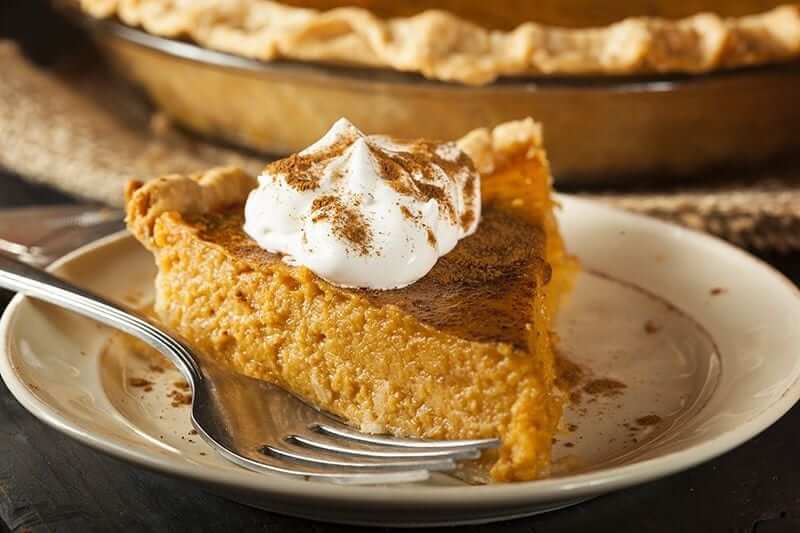
As we move into the fall season, we all start to get into the baking mood. I wanted to share my experiences with baking with less sugar and sugar substitutes. My goal is to give you healthy options that still taste great.
Sugar – More than a Sweet Taste
When teaching healthy cooking classes, I tell my students they must consider all of the qualities a particular ingredient brings to a recipe before making a substitution or eliminating it. This is especially true when it comes to sugar and baking because sugar lends a lot more that just its sweet taste to recipes. Sugar and other natural sweeteners like honey, molasses, syrups and even fruit juices can also contribute texture, structure, volume, color, moistness and tenderness to baked goods, while most sugar substitutes do not.
Sweet ‘n Easy
In recipes where sugar’s primary role is simply to sweeten, such as a cheesecake or mousse, swapping out most, or even all of the sugar, with a sugar substitute is not usually a problem. Be sure, however, to read the product instructions to make sure that the amount of sugar substitute you use is equal to the amount of sweetness provided by the sugar called for in the recipe as this amount is not always a cup for cup measure.
Kitchen Chemistry
In cakes, cookies and quick breads however, reducing sugar without reducing quality takes a bit more thought. The great news is that while each recipe and sugar substitute is different, over the years I have found that with some modifications – a little bit of kitchen chemistry, if you will – low sugar baked goods look and taste just as delicious as their full sugar counterparts. Enjoy my Better-For-You Chocolate Chip Cookies, or use the tips below to create your own reduced sugar goodies.
Reduced Sugar Baking Tips
- Minimize the use of sugary ingredients like sugar, sweetened condensed milk, candies and jams, or swap them out for reduced sugar or sugar-free versions.
- When selecting a sugar substitute be sure it is heat stable. Sucralose (Splenda), acesulfame-K (Diabetisweet) and stevia (Stevita, Truvia) can withstand baking temperatures. Aspartame (Equal) cannot.
- For muffins and cakes, a bit of extra leavening may be required. A good rule of thumb is to add either ½ teaspoon of baking soda or ¼ teaspoon baking soda and an extra ½ teaspoon baking powder for each cup of sugar replaced.
- Using a small amount of brown sugar or adding just a teaspoon or two of molasses will help keep the traditional color and moistness of cakes or cookies.
- To adjust for less batter (as you will have when you eliminate the bulk of sugar), use a smaller cake or bread pan and expect a smaller yield of muffins or cookies.
- To ensure drop cookies flatten, flatten them before baking with the bottom of glass or spatula. For the crispiest cookies substitute out only one-half the usual sugar.
- A bit more spice and flavorings like cinnamon and vanilla boost the flavor of reduced sugar baked goods.
- Low-sugar baked goods will bake more quickly. Check cakes 7 to 10 minutes sooner than usual, muffins and quick breads up to 5 minutes, and cookies 3 to 5 minutes.
- Wrap leftover healthy reduced-sugar baked goods tightly with plastic wrap or foil and eat within 1 to 2 days as they may spoil quicker. Muffins, cakes and quick breads freeze well.
Contributed By: Marlene Koch
NOTE: Consult your doctor first to make sure my recommendations fit your special health needs.





Leave A Comment